(Updated) What You Need to Know About Restrictions on U.S. Global Health Assistance: The Protecting Life in Global Health Assistance Policy
Over half of all sexually active adolescent girls in Kenya who want to delay pregnancy have an unmet need for modern contraception.
From Young Mother to Youth Mentor
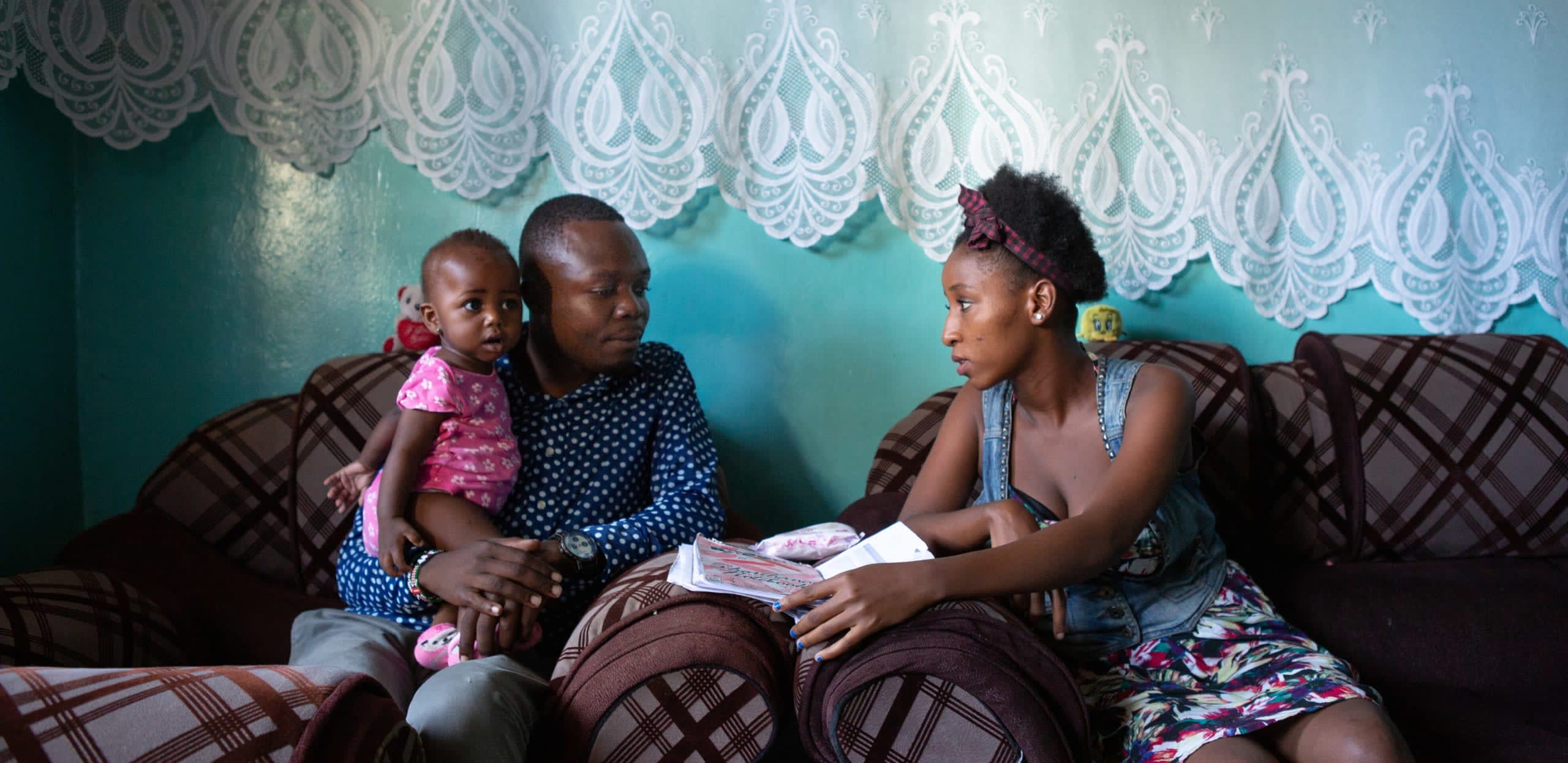
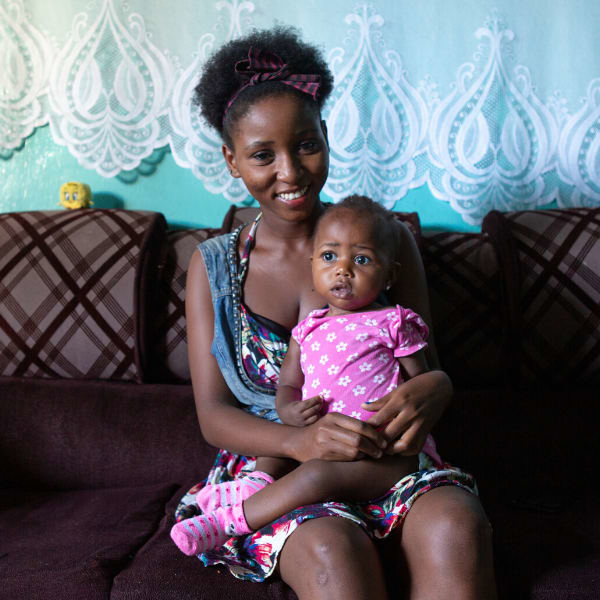
Sylvian Musau didn’t know about family planning until she became unexpectedly pregnant at age 20. “I never knew how to face my parents because I saw that I was a failure — a disappointment.” For Sylvian, this concern went beyond her family: Adolescent pregnancy is considered shameful to her Jomvu community, one of the settlements in Mombasa county along the Kenyan coast.
Sylvian knew the judgment wouldn’t stop after giving birth. “So, you don’t know what choice to make,” she admits. “Do you abort, do you keep the child? How will you manage? How will you bring that child up?”
Over half of all sexually active adolescent girls in Kenya who want to delay pregnancy have an unmet need for modern contraception. While the national government has committed to reducing teenage pregnancy rates and released an adolescent sexual and reproductive health policy, the coastal region has been slower to make progress.
PAI grantee Kenya Muslim Youth Development Organization (KMYDO) is changing that by engaging with local government and health officials to address the lack of youth-friendly sexual and reproductive health services and funding in the region. KMYDO is a national organization that inspires grassroots youth activism, strengthens community leadership and supports the growth of family planning advocacy.
During her pregnancy, Sylvian was connected with KMYDO and its community-based partner, the Pwani Youth Network (PYN). This is when PYN staff members taught her about family planning and women’s empowerment. Now as a new mother, Sylvian shares what she learned with young people in Mombasa county.
With support from PYN and KMYDO, Sylvian is teaching her peers how they can prevent pregnancy and HIV infection using contraceptives such as condoms. She also counsels young girls, connecting them to the nearest health clinic; and hosts family planning dialogues with youth groups and religious institutions in person and on social media.
By bringing her daughter Chelsea to events, Sylvian has shown her community what it means to be a young mother. She hopes that speaking openly about her experience will decrease the stigma she faced and also encourage young people to use family planning to prevent unwanted pregnancy.
Seeing her child growing gives Sylvian the “strength to go out there — speak, work and hustle.” In the future, she sees herself as an ambassador who will impact “not only the subcounty, but the whole of Kenya. Because there’s no greater feeling than helping a person who needs it.”
I never had knowledge about contraceptives. I never had a person to mentor or empower me … [Now,] I do share my story … Because there’s no greater feeling than helping a person who needs it.
Sylvian Musau, youth mentor
On Wednesday, PAI submitted testimony into the record for the U.S. House of Representatives Committee on Foreign Affairs hearing titled “Unique Challenges Women Face in Global Health,” detailing deeply harmful impacts to providers, health systems and communities documented since the policy’s imposition of the Global Gag Rule.
“The reinstatement and expansion of the Global Gag Rule demonstrates how repressive political decisions from other countries can affect population health and wellbeing in countries like Uganda. The Global Gag Rule wreaked havoc by cutting off funding for much-needed health services, especially amongst communities that are already underserved,” said Moses Mulumba, Executive Director, Center for Health, Human Rights and Development (CEHURD) in his hearing testimony. “It is not an easy choice to comply and keep the funding or refuse and lose access to those resources: jobs and indeed lives are on the line. Nevertheless, CEHURD cannot work on one area of health and not others, or prioritize some human rights and not others. This would compromise our values as an institution.”
“It would be senseless to examine the global health challenges women face without acknowledgment of the harm levied by the Trump administration via the Global Gag Rule,” said Jonathan Rucks, PAI Senior Director of Policy and Advocacy.
“As we have heard firsthand from organizations impacted including partners like CEHURD, the policy exacerbates existing barriers to services and suppresses efforts of local champions working on solutions—which will undoubtedly lead to worse outcomes for women and girls. If members of Congress truly care about the health and lives of women and vulnerable groups, they will pass the Global HER Act to permanently repeal this overreaching policy.”
The day of the hearing, more than 41 organizations issued astatementcalling on Congress to permanently repeal the Global Gag Rule by passing the Global HER Act.
###
PAI champions policies that put women in charge of their reproductive health. We work with policymakers in Washington and our network of partners in developing countries to remove roadblocks between women and the services and supplies they need. For over 50 years, we’ve helped women succeed by upholding their basic rights. To learn more, visit pai.org.
Join Us
Get Updates
Stay informed about the issues impacting sexual and reproductive health and rights.